
News
The Landlord's Guide to Property Maintenance
Essential Seasonal Inspections for Rental Properties
Keeping a rental property in good condition takes more than fixing things when they break. Regular seasonal maintenance helps you catch small problems before they turn into expensive repairs. It also keeps your tenants happy and protects the value of your investment.

A seasonal approach to property maintenance means checking specific items at different times of year based on weather patterns and how your property changes with each season. This method helps you stay organised and ensures you never miss important tasks that could lead to damage or safety issues.
This guide covers your legal duties as a landlord, what to check during each season, and how to handle safety systems and emergencies. You'll learn practical steps to maintain your property throughout the year whilst building good relationships with your tenants and protecting your long-term returns.
Core Landlord Responsibilities and Legal Standards

UK landlords must meet specific safety requirements, keep properties habitable, and maintain structural elements throughout a tenancy. These duties stem from both statutory law and the terms outlined in your tenancy agreement.
Key Safety and Compliance Requirements
You must obtain a gas safety certificate annually from a Gas Safe registered engineer. This certificate covers all gas appliances, fittings, and flues in your property. You need to provide a copy to your tenants within 28 days of each inspection or before they move in.
Electrical safety requires an EICR (Electrical Installation Condition Report) every five years. A qualified electrician must carry out this inspection to identify any potential hazards in the fixed electrical systems.
Fire safety regulations require you to install working smoke alarms on every floor of your property. You must also fit carbon monoxide alarms in rooms with solid fuel burning appliances. Test all alarms on the first day of each new tenancy.
Energy Performance Certificates remain valid for ten years. Your property must achieve at least an E rating before you can legally let it to new tenants or renew existing agreements.
Understanding Recent Legislation and Updates
The Homes (Fitness for Human Habitation) Act 2018 ensures properties remain safe and habitable throughout a tenancy. This covers 29 hazards including damp, mould, excess cold, and structural problems.
Awaab's Law strengthens protections around damp and mould. You must investigate reported health hazards within 14 days and complete repairs within a further 14 days. This legislation specifically addresses respiratory conditions caused by poor property conditions.
The Decent Homes Standard requires properties to be warm, weatherproof, and have modern facilities. While currently applying to social housing, proposed extensions will affect private landlords.
Maintenance Duties Under the Tenancy Agreement
Your tenancy agreement defines repair obligations, but Section 11 of the Landlord and Tenant Act 1985 creates minimum standards. You must maintain:
- Structure and exterior (roof, walls, windows, doors)
- Heating and hot water systems
- Basins, sinks, baths, toilets
- Water and gas pipes, electrical wiring
Tenant responsibilities typically cover minor tasks like changing lightbulbs and keeping the property clean. However, you remain responsible for repairs resulting from normal wear and tear.
You must respond to repair requests promptly. Emergency repairs like heating failures in winter or water leaks need immediate attention. Non-urgent repairs should be completed within reasonable timeframes, typically 28 days.
Planning Effective Seasonal Property Maintenance
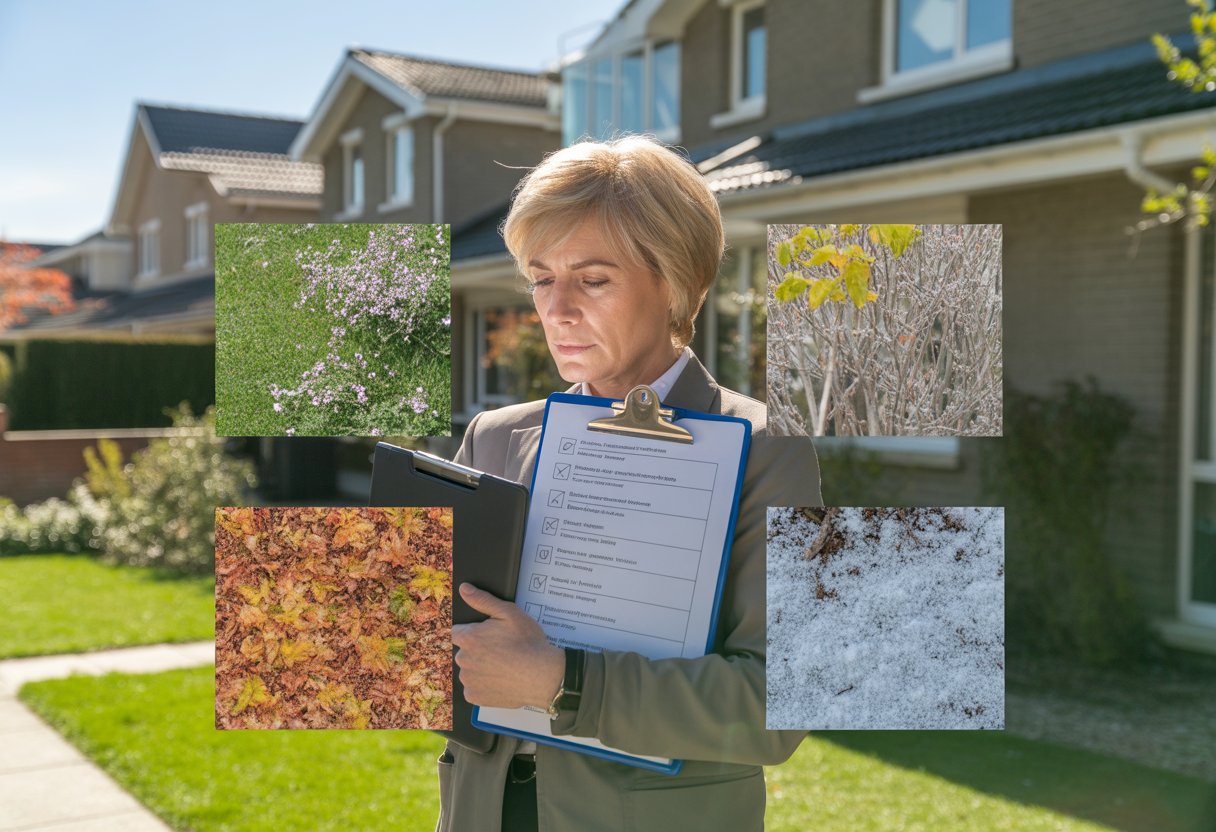
A structured approach to property maintenance protects your investment and keeps tenants satisfied. Setting up a maintenance calendar, conducting regular inspections, and maintaining detailed checklists prevents small issues from becoming expensive repairs.
Creating a Year-Round Maintenance Calendar
Your maintenance calendar should divide tasks across all four seasons to spread out the workload and costs. Assign specific months for seasonal checks—March for spring preparations, June for summer tasks, September for autumn readiness, and December for winter protection.
Use property management software to set automatic reminders for recurring tasks. This approach works particularly well when managing multiple properties, as you can track different addresses on a single platform. Digital calendars let you schedule tasks months in advance and adjust dates based on weather conditions or tenant availability.
Build flexibility into your calendar for urgent repairs whilst keeping preventive maintenance as a priority. Schedule major tasks like boiler servicing during milder months when tenants rely less on heating. Include buffer time between seasonal checks for unexpected issues that might arise.
Track completion dates and costs for each task to identify patterns in your property's maintenance needs. This data helps you budget more accurately for the following year and spot recurring problems that need permanent solutions.
Monthly and Mid-Tenancy Inspections
Routine inspections catch maintenance issues before they escalate into costly repairs. Conduct property inspections every three to six months, depending on your tenancy agreements and property condition. Mid-tenancy inspections provide opportunities to assess wear and tear and address tenant concerns directly.
Give tenants proper notice before inspections—typically 24 hours in writing. During visits, check key areas like plumbing fixtures, heating systems, smoke alarms, and property exterior. Document everything with photos and notes to maintain accurate records.
Regular property inspections strengthen tenant communication by showing you care about their living conditions. Ask tenants about any maintenance concerns they've noticed, as they often spot issues first. Address problems promptly to maintain good relationships and prevent damage from worsening.
Property Maintenance Checklist Essentials
Your property maintenance checklist should cover both seasonal maintenance and year-round tasks. Include these essential categories:
Safety Items
- Smoke and carbon monoxide detectors
- Fire extinguishers and blankets
- Gas safety certificates
- Electrical installation condition reports
Building Structure
- Roof tiles and guttering
- External walls and pointing
- Windows and door seals
- Damp and mould indicators
Systems and Utilities
- Boiler servicing and heating
- Plumbing and drainage
- Ventilation systems
- Garden and outdoor areas
Tailor your checklist to each property's specific features and age. Older properties need more frequent structural checks, whilst newer builds require different attention to warranty conditions. Update your checklist after each inspection based on findings and changing property needs.
Keep digital and physical copies of your maintenance records. This documentation proves you've met your legal obligations and helps when claiming on landlord insurance or managing disputes.
Spring and Summer Maintenance Checks
Warmer months bring the perfect opportunity to tackle exterior jobs and prepare your property for increased use. Focus on garden upkeep, drainage systems, and improvements that protect both property value and tenant safety.
Garden and Exterior Upkeep
Start by inspecting your property's outdoor spaces for winter damage. Check fences for loose panels or rot, and repair or replace them before they become a safety hazard. Overgrown hedges and trees should be trimmed back from the building to prevent moisture damage and reduce hiding spots for pests.
Your lawn needs regular mowing during spring and summer to maintain kerb appeal. Remove weeds from paths and borders, as they can damage paving and make the property look neglected. Clear dead plants and debris from beds to improve appearance and reduce pest habitats.
Key garden maintenance tasks:
- Mow lawns every 1-2 weeks
- Trim hedges away from walls and windows
- Remove weeds from hard surfaces
- Clear gutters of leaves and debris
- Inspect and repair garden gates and fencing
Addressing Drainage and Minor Repairs
Check all gutters and downpipes for blockages caused by leaves, moss, or bird nests. Blocked drainage can lead to water damage on walls and foundations, which costs significantly more to repair than simple gutter cleaning. Test downpipes by running water through them to ensure proper flow.
Inspect exterior walls for cracks or damaged pointing between bricks. Small cracks can let water in, causing damp problems inside the property. Look for signs of pests like wasp nests under eaves or holes in wooden fascias that might indicate insect activity.
Check external taps and hose connections for leaks. Replace worn washers before summer when tenants will use outdoor water more frequently.
Improving Kerb Appeal and Outdoor Safety
A fresh coat of paint on your front door and window frames protects timber from weather damage and improves first impressions. Clean windows inside and out to maximise natural light and energy efficiency.
Inspect paths and driveways for trip hazards like cracked paving or loose slabs. Repair these immediately to prevent accidents and potential liability claims. Pressure wash hard surfaces to remove algae and moss, which become slippery when wet.
Test outdoor lighting to ensure all areas remain safely lit during evening hours. Replace any broken bulbs and consider adding security lighting if dark spots exist around the property. Clear sight lines by trimming vegetation near entrances and paths, which also helps with pest prevention by reducing sheltered areas.
Autumn and Winter Maintenance Priorities
As temperatures drop and wet weather arrives, your focus should shift to heating systems, insulation, and preventing moisture damage. These months require proactive maintenance to avoid expensive emergency repairs and keep tenants comfortable.
Heating and Boiler Servicing
You must arrange boiler servicing before the cold weather sets in. Book a Gas Safe registered engineer to complete the annual gas safety check, which is a legal requirement for all landlords with gas appliances.
The engineer will inspect the boiler, test carbon monoxide detectors, and check all gas fittings. They'll provide you with a gas safety certificate that you must give to your tenants within 28 days of the check. Keep copies for your records for at least two years.
Test your heating system in early autumn, even on mild days. This helps you spot problems when engineers are less busy and before tenants start complaining about the cold. Check radiators for cold spots that indicate trapped air or sludge buildup.
Consider upgrading to smart thermostats to improve energy efficiency. These devices let tenants control heating more effectively whilst reducing energy bills.
Insulation and Weatherproofing
Inspect your property's insulation before winter arrives. Check loft insulation is at least 270mm thick, which is the recommended depth for UK homes. Poor insulation leads to higher energy bills and uncomfortable tenants.
Walk around the property to find draughts around windows, doors, and letterboxes. Install draught excluders and replace worn door seals. These simple fixes make a real difference to energy efficiency and tenant comfort.
Book gutter cleaning in autumn after leaves have fallen. Blocked gutters overflow during heavy rain, causing water damage to walls and foundations. This maintenance task protects your property's structural integrity and prevents expensive repairs.
Check roof tiles for damage or displacement. Missing tiles let water into the property, which can damage ceilings and promote mould growth.
Damp and Mould Prevention
Autumn and winter bring the highest risk of damp and mould in rental properties. Inspect vulnerable areas like bathrooms, kitchens, and external walls for early signs of moisture problems.
Ensure extractor fans work properly in bathrooms and kitchens. These remove excess moisture that leads to condensation and mould growth. Clean or replace filters as needed.
Check window seals and frames for signs of water ingress. Look for peeling paint, soft wood, or water stains that indicate leaks. Fix these problems quickly to prevent further damage.
Educate your tenants about preventing condensation. Simple actions like opening windows when cooking, using extractor fans, and keeping heating at a steady temperature reduce moisture buildup. Provide written guidance to avoid disputes about who is responsible for mould issues.
Safety Systems and Emergency Preparedness
Landlords must maintain critical safety systems and prepare for emergency situations to protect tenants and comply with UK law. This includes keeping detection devices operational, ensuring electrical systems meet current standards, and responding quickly to urgent repair needs.
Smoke and Carbon Monoxide Alarm Compliance
You must install working smoke alarms on every floor of your rental property where there is a room used wholly or partly as living accommodation. This is a legal requirement under the Smoke and Carbon Monoxide Alarm Regulations 2015.
Carbon monoxide detectors are required in any room containing a fixed combustion appliance, such as a gas boiler, wood burner, or coal fire. The only exception is gas cookers.
You need to test all smoke and carbon monoxide alarms at the start of each new tenancy to ensure they work properly. Keep records of these tests. Replace batteries as needed and replace the entire unit according to the manufacturer's guidelines, typically every ten years.
Your alarm responsibilities:
- Test smoke alarms and carbon monoxide detectors before new tenants move in
- Fit alarms that meet British Standard EN 14604 for smoke alarms
- Install carbon monoxide alarms meeting BS EN 50291
- Repair or replace faulty alarms promptly
Electrical Safety and Inspection Reports
You must obtain an Electrical Installation Condition Report (EICR) for your rental property at least every five years. A qualified electrician must carry out this inspection to check that your property's electrical installations meet current safety standards.
The EICR identifies any defects, damage, or conditions that could pose a danger. You must provide a copy of the report to your existing tenants within 28 days of the inspection. New tenants must receive a copy before they move in.
Any issues marked as C1 (danger present) or C2 (potentially dangerous) require immediate attention. You must complete these repairs before re-letting the property or within the timeframe specified by the electrician.
Managing Emergency Repairs
Emergency repairs require immediate action because they pose a risk to tenant safety or could cause significant property damage. These include complete loss of heating or hot water, major leaks, gas leaks, and electrical failures.
Set up a clear system for tenants to report emergencies outside normal working hours. Provide contact numbers for emergency contractors like plumbers, electricians, and locksmiths. Keep these details updated and easily accessible.
You should respond to genuine emergency repair requests within 24 hours. This doesn't mean completing all repairs within this timeframe, but you must take action to make the situation safe. For example, if a boiler breaks down in winter, arrange a temporary heating solution whilst organising the full repair.
Keep records of all emergency repairs, including when the issue was reported, your response time, and the contractor used.
Optimising Tenant Experience and Long-Term Value
Good maintenance protects your property and keeps tenants happy, which directly affects your income and investment returns. Smart landlords use practical systems, professional help, and proper insurance to reduce costs and build stable, long-term tenancies.
Encouraging Tenant Satisfaction and Retention
Happy tenants stay longer, which means fewer void periods and lower turnover costs. When you respond quickly to repair requests and carry out seasonal maintenance before problems arise, you show tenants their comfort matters.
A well-maintained property with modern features makes tenants more likely to renew their tenancy. Simple upgrades like LED lighting reduce energy bills and improve the living environment. These changes boost your EPC rating, which attracts quality tenants and can justify higher rent.
Key factors that improve tenant satisfaction:
- Quick responses to maintenance requests (within 24-48 hours)
- Regular property inspections with advance notice
- Clear communication about scheduled maintenance
- Investment in energy efficiency improvements
- Clean, well-functioning heating and hot water systems
Tenants who feel valued recommend your property to others. This reputation helps you fill vacancies faster and gives you more choice when selecting new tenants. The money you spend on maintenance returns through stable rental income and fewer empty months.
Leveraging Technology and Professional Services
Property management software helps you track maintenance schedules, log tenant requests, and store important documents in one place. You can set reminders for annual safety checks, boiler services, and seasonal inspections so nothing gets missed.
Building relationships with reliable contractors saves time and stress. When you have trusted plumbers, electricians, and handymen on call, repairs happen faster and at fair prices. Get multiple quotes for major work, but keep a list of professionals who have proven themselves.
Professional property management services handle day-to-day issues if you lack time or expertise. They coordinate repairs, conduct inspections, and deal with tenant queries. This option works well for landlords with multiple properties or those living far from their rental.
Digital tools let tenants report issues through apps or online portals. You can track each request from start to finish, which improves accountability and tenant communication.
Protecting Your Investment with Insurance
Landlord insurance covers risks that standard home insurance does not. Buildings insurance protects the structure against fire, flooding, and storm damage. Contents insurance covers furnished items like appliances and furniture you provide.
Essential landlord insurance coverage:
- Buildings insurance (often required by mortgage lenders)
- Contents insurance for furnished properties
- Liability insurance for tenant or visitor injuries
- Rent guarantee insurance for missed payments
- Legal expenses cover for disputes
Compare policies carefully because coverage varies between providers. Some insurers require proof of regular maintenance, safety certificates, and tenant referencing. Keep records of all maintenance work and safety checks to support any claims.
Emergency cover add-ons provide 24-hour helplines and approved contractors for urgent repairs. This service protects both you and your tenants when problems occur outside normal working hours.
Frequently Asked Questions
Property maintenance requires specific actions at different times of year, and landlords must understand their legal duties whilst managing seasonal tasks effectively. These common questions address winter preparations, safety compliance, summer checks, garden care, task scheduling, and inspection frequency.
What essential maintenance tasks should be performed on rental properties in preparation for winter?
You need to service your heating system before winter arrives. Book a Gas Safe registered engineer to inspect and service the boiler, radiators, and all gas appliances.
Check all windows and doors for draughts and damaged seals. Replace worn weather stripping and repair any gaps that could let cold air inside.
Inspect the property's insulation in the loft and around pipes. Lag exposed pipes in unheated areas to prevent freezing and bursting during cold weather.
Clear gutters and downpipes of leaves and debris before winter storms. Test that water drains properly away from the property to avoid damp problems.
You should also bleed radiators to remove air pockets and ensure efficient heating. Check the thermostat works correctly and replace batteries if needed.
How can a landlord ensure the property remains compliant with safety regulations during the different seasons?
You must maintain valid safety certificates throughout the year. Gas safety certificates require annual renewal by a Gas Safe registered engineer. Electrical Installation Condition Reports need updating every five years for most properties.
Test smoke alarms and carbon monoxide detectors monthly during property inspections. Replace batteries twice a year when clocks change in spring and autumn. Install alarms on every floor where required by law.
Keep records of all maintenance work and safety checks. Document dates, contractor details, and any issues found. These records prove compliance if questions arise.
Schedule certificate renewals well before expiry dates. Set reminders three months ahead to allow time for booking engineers and completing work. Missing certificate deadlines can result in fines and legal problems.
What are the recommended summer maintenance checks for rental accommodation?
Inspect exterior paintwork and woodwork for damage from winter weather. Look for peeling paint, rot, or cracks that need repair before they worsen.
Check air conditioning units if fitted. Clean or replace filters and ensure systems work properly before hot weather arrives.
Test outdoor taps and irrigation systems in gardens. Look for leaks and repair any damaged fittings.
Examine exterior walls for cracks or damage. Summer's dry weather makes this the best time to repair masonry and repoint brickwork.
You should also inspect fences, gates, and boundary walls. Replace broken panels and secure loose posts whilst weather conditions suit outdoor work.
Could you outline a seasonal checklist for maintaining garden and exterior spaces of a rental property?
Spring requires clearing debris from winter storms and pruning overgrown plants. Cut back dead growth and prepare flower beds. Check paths and patios for loose slabs or trip hazards.
Summer demands regular grass cutting and weed control. Trim hedges and bushes to keep them tidy. Water plants during dry spells if you maintain the garden rather than tenants.
Autumn means clearing fallen leaves from lawns, paths, and drains. Cut back perennials and protect tender plants before frost arrives. Clear gutters of leaf debris.
Winter focuses on protecting plants from frost and ensuring paths stay safe. Grit steps and walkways in icy conditions. Check that outdoor structures remain secure in strong winds.
You must clarify in the tenancy agreement who handles garden maintenance. If tenants manage the garden, inspect it regularly to ensure standards stay acceptable.
What strategies can landlords employ to manage and distribute maintenance tasks throughout the year efficiently?
Create a calendar that spreads tasks across all twelve months. Schedule major jobs like boiler servicing and gutter cleaning at specific times each year. This prevents work piling up in one season.
Group similar tasks together by season or contractor type. Book your gas engineer for all properties in the same period. Arrange exterior painting jobs when weather suits.
Build relationships with reliable contractors who can handle emergency repairs quickly. Keep a list of trusted tradespeople for different jobs like plumbing, electrics, and general maintenance.
Set aside a maintenance budget each month rather than finding large sums when problems occur. Calculate roughly 1% of property value annually for maintenance costs.
Use property management software or simple spreadsheets to track upcoming tasks. Set reminders for certificate renewals, seasonal checks, and routine inspections.
How often should landlords conduct thorough inspections to identify potential maintenance issues ahead of time?
You should inspect rental properties every three to six months as a standard practice. Quarterly inspections let you spot small problems before they become expensive repairs.
New tenancies require an inspection within the first month after move-in. This confirms tenants have settled properly and understand their responsibilities.
Arrange additional inspections after severe weather events. Check for storm damage, flooding, or problems caused by extreme temperatures.
Give tenants at least 24 hours' written notice before inspections unless emergencies require immediate access. Keep visits brief and respect tenant privacy.
Document each inspection with photos and written notes. Record the condition of walls, floors, fixtures, and appliances. Compare findings with previous inspections to track any deterioration.
Thinking of Letting a Property?
Call us now on 020 8357 0810